Eastern flank35,072 KM
Attacked / exposed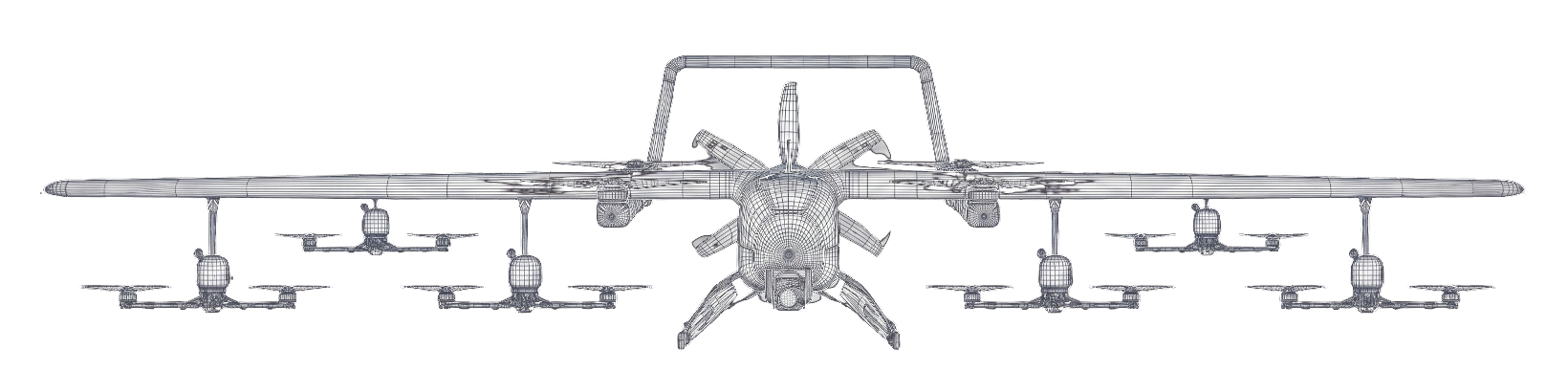

Trinity moves the intercept point forward. The aircraft loiters over predicted ingress corridors with autonomous interceptors already airborne, reducing reaction time and closing the gap left by ground-only point defense.
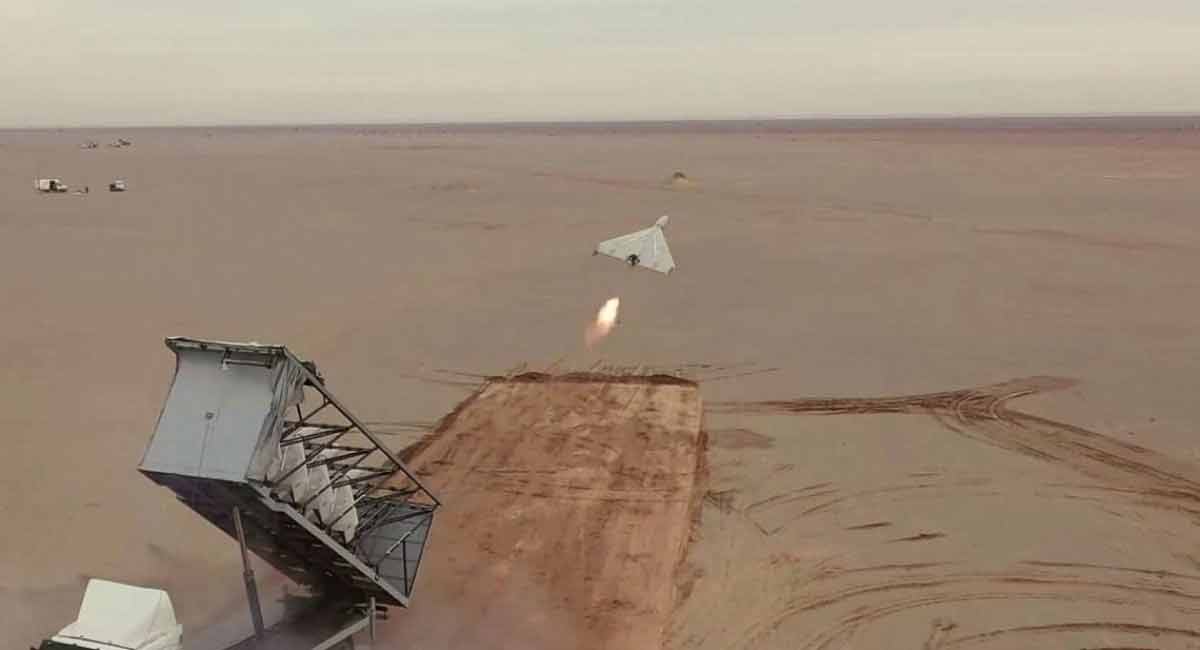
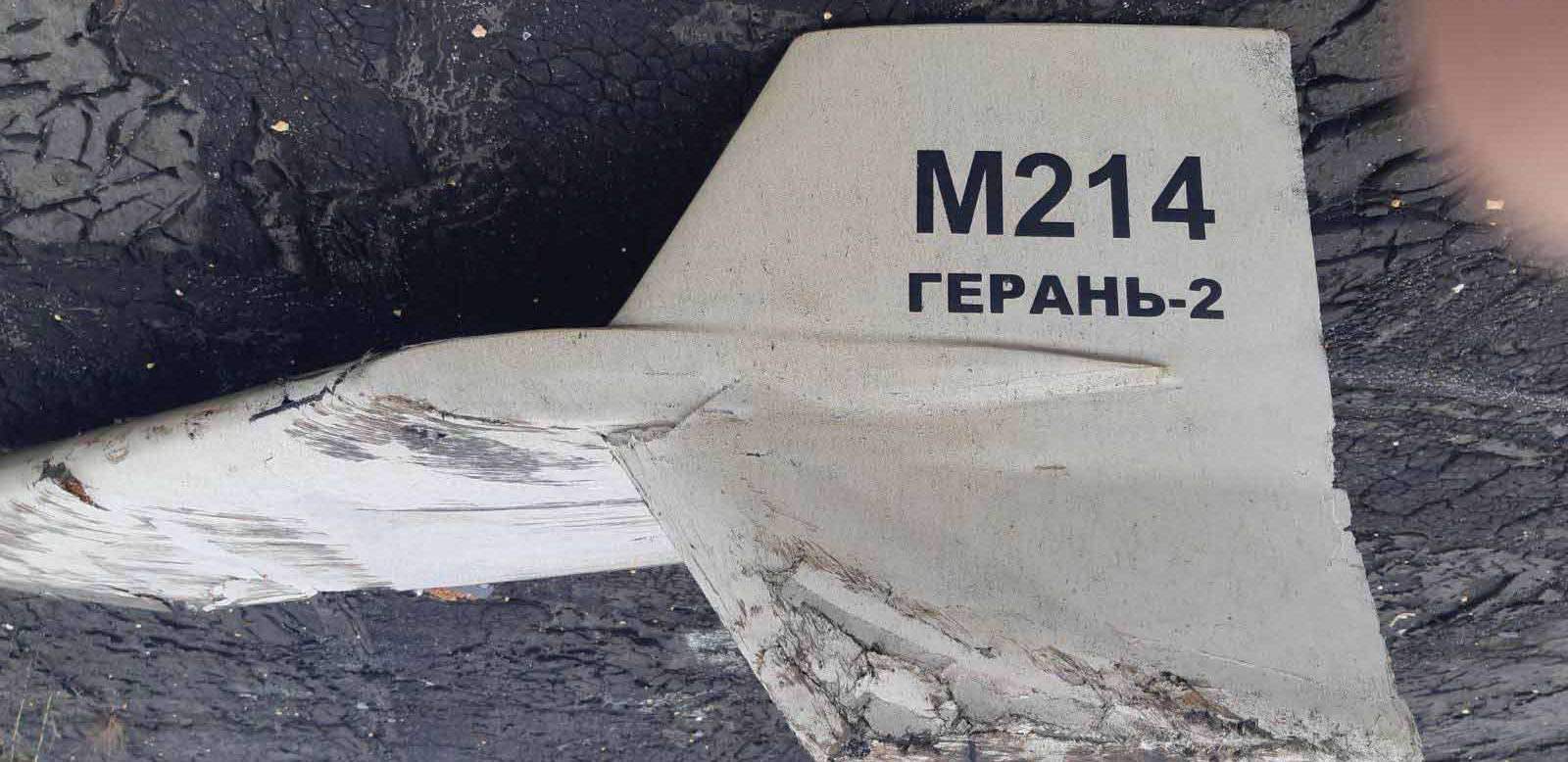
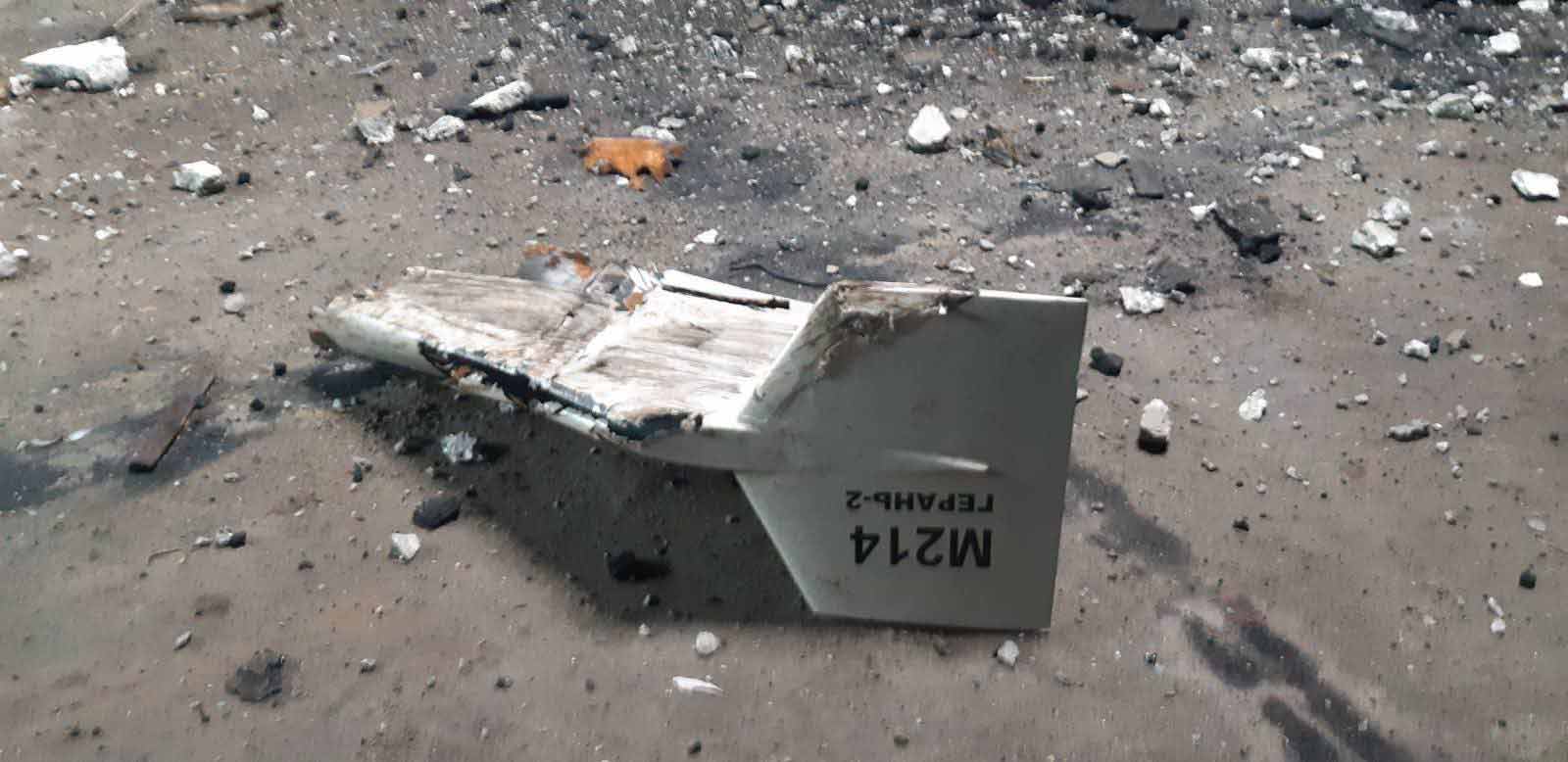
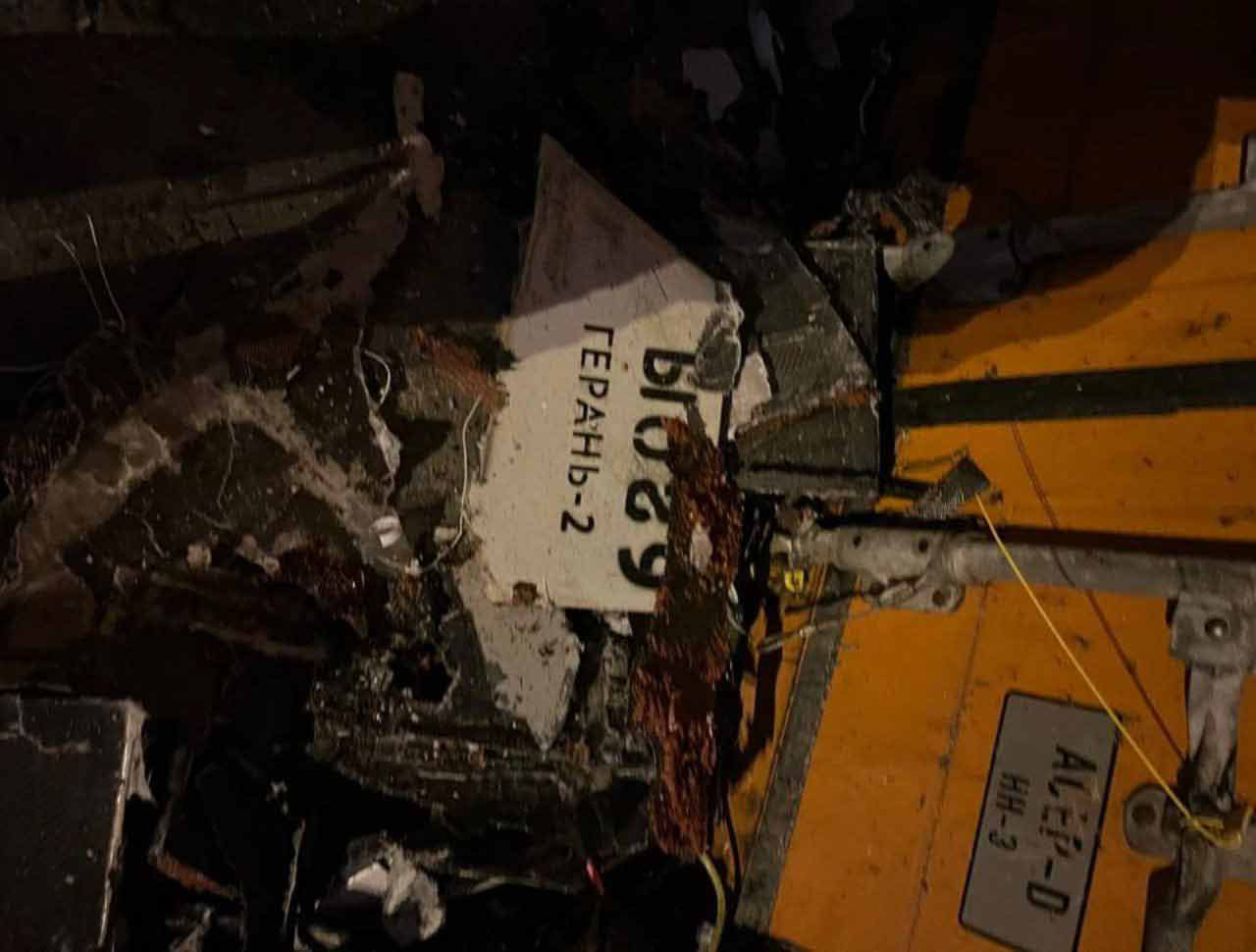
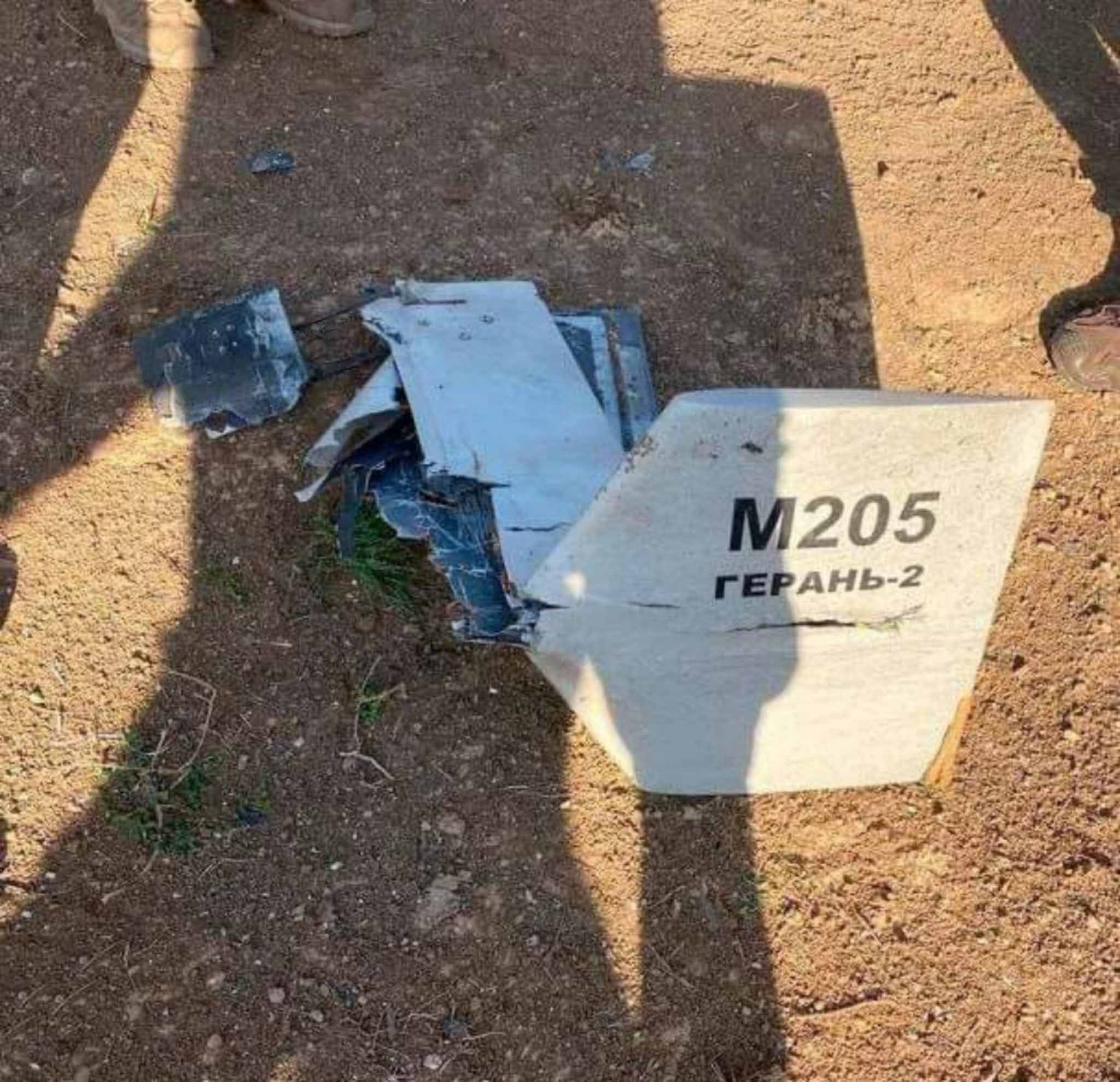
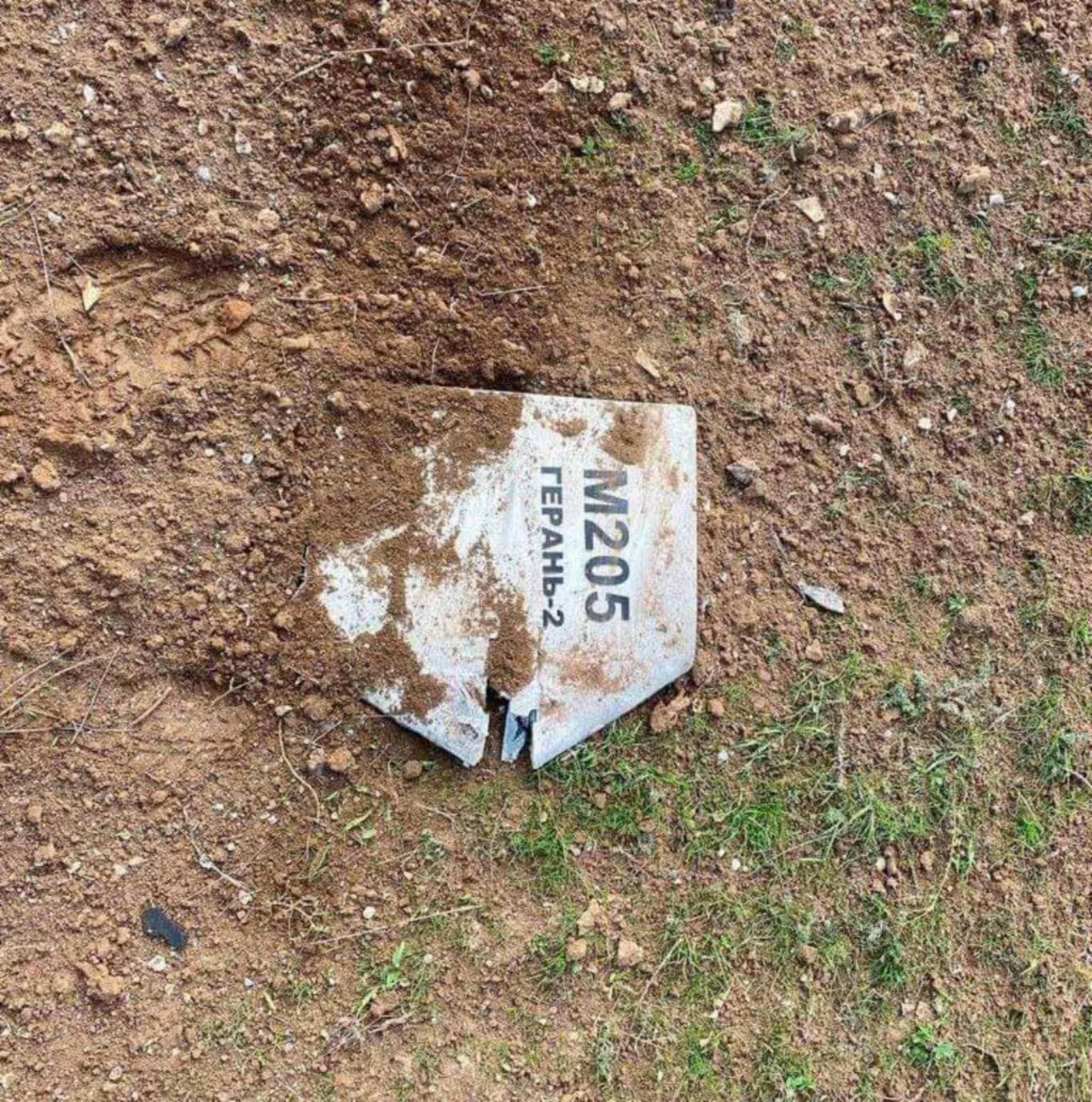
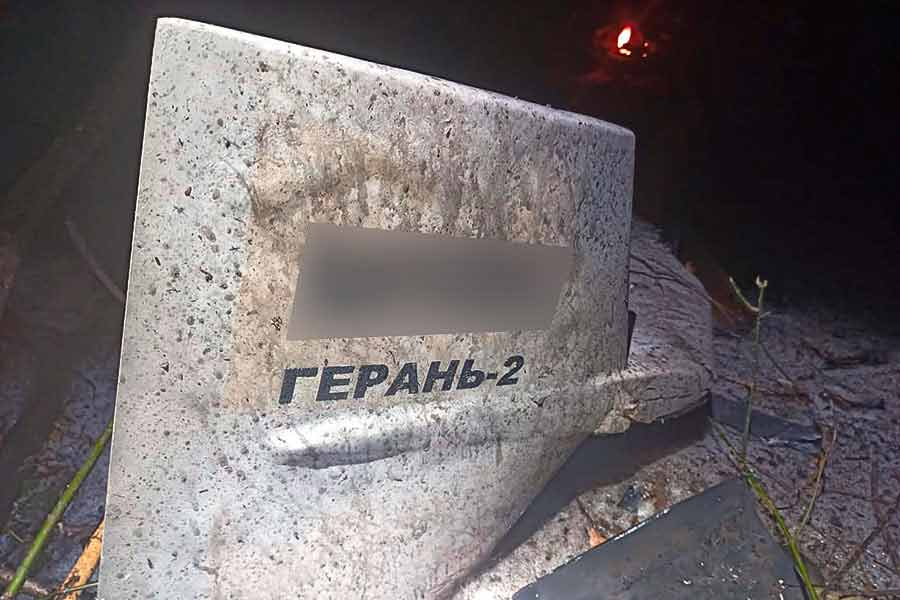
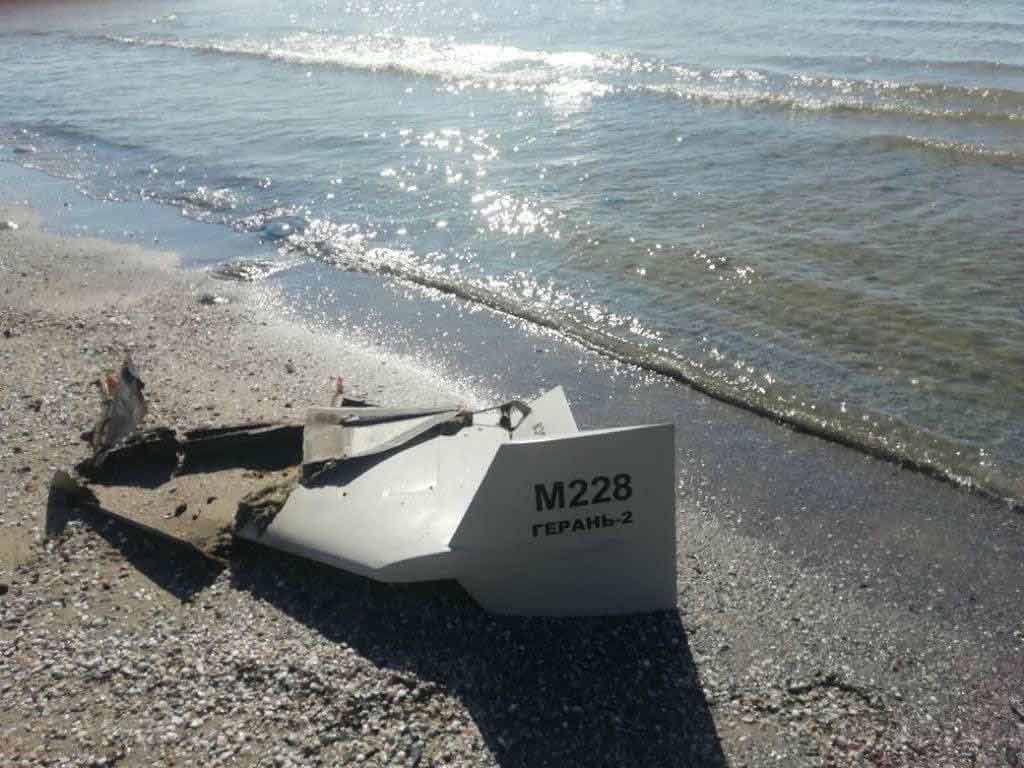
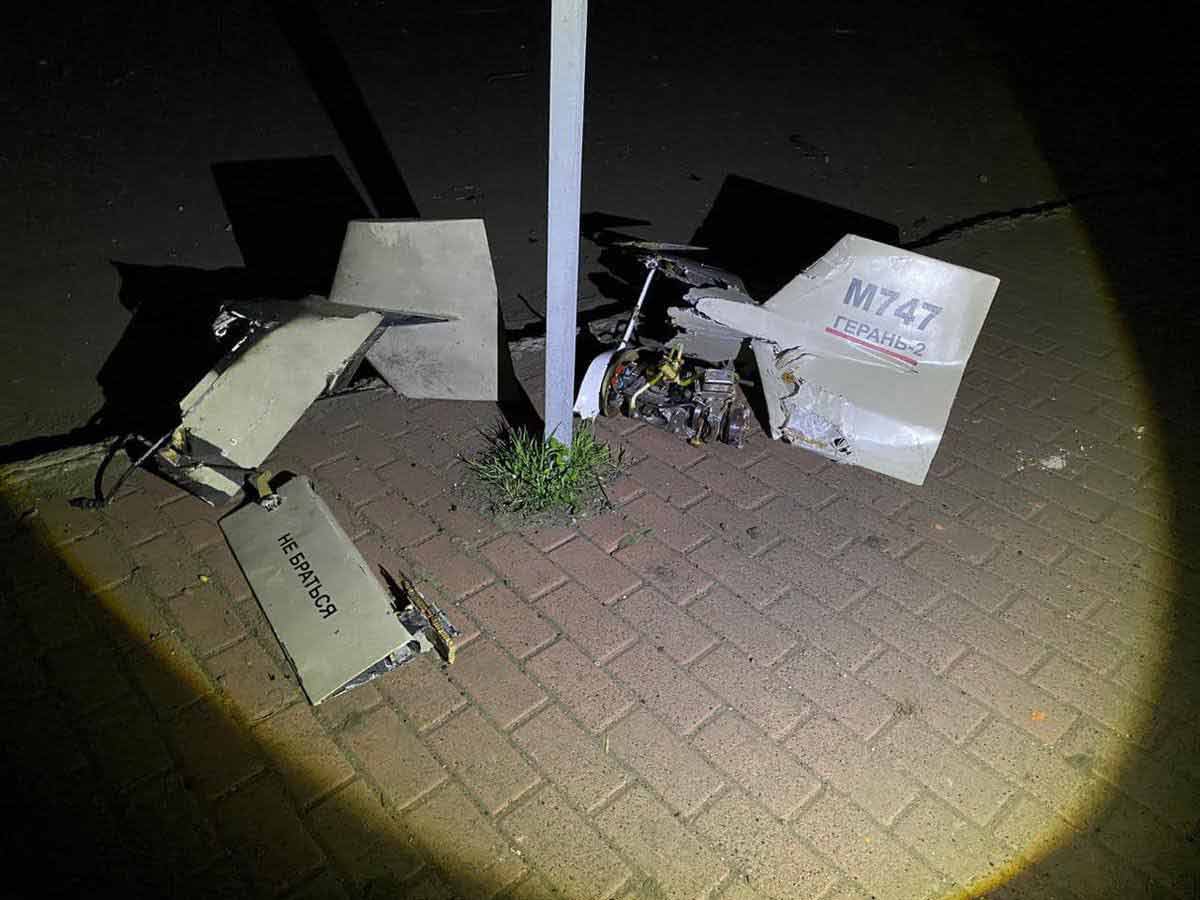
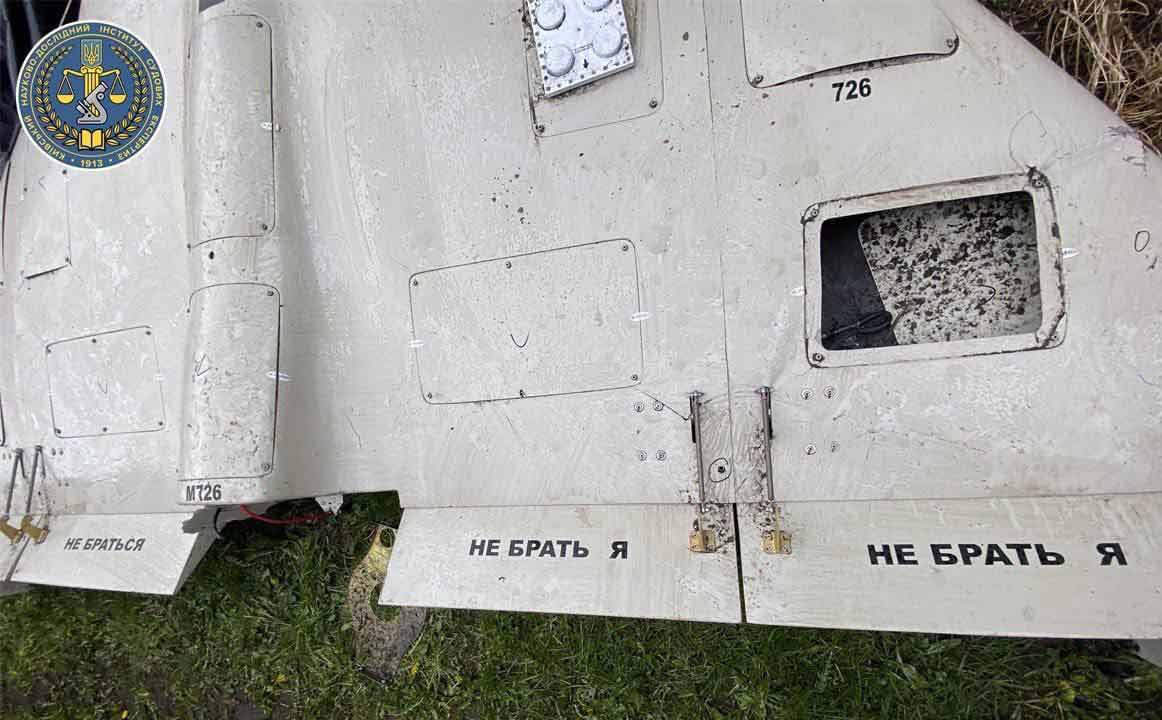
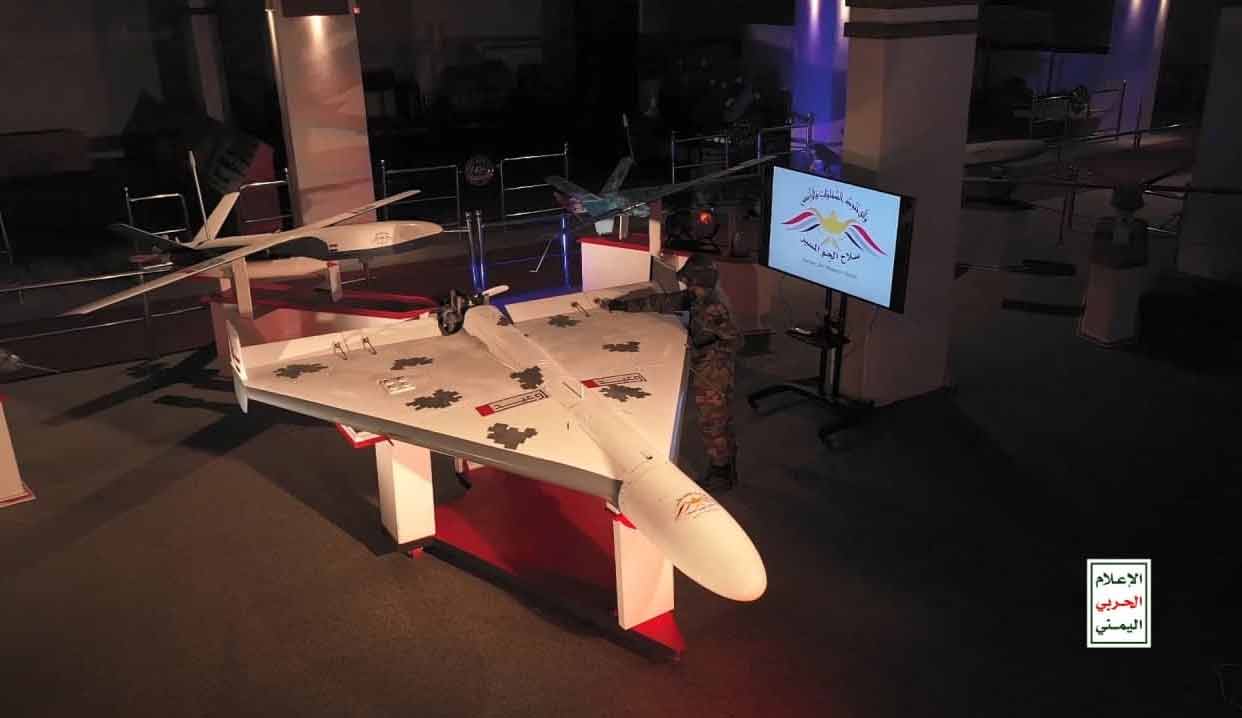
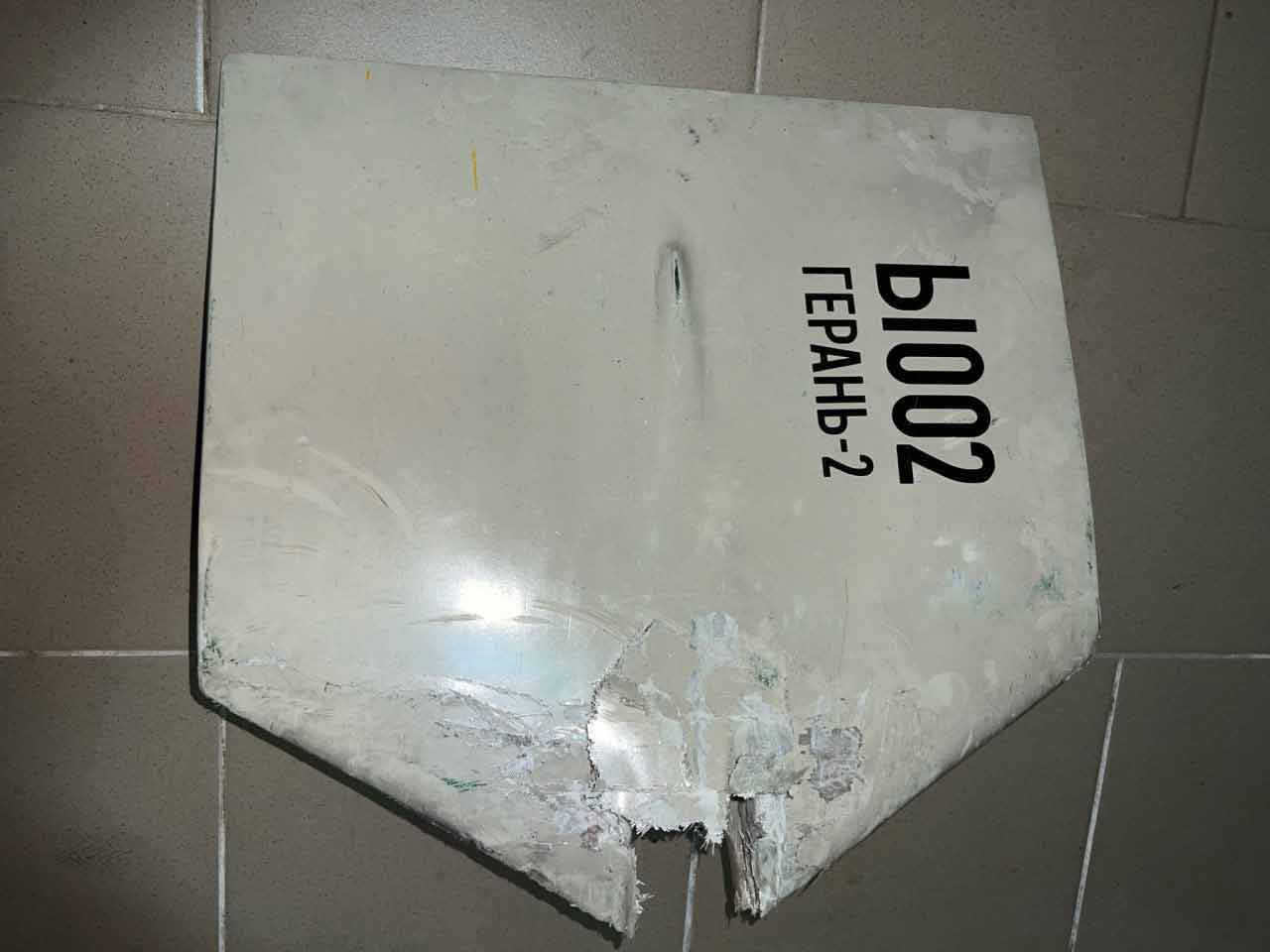
Shahed-class one-way attack drones fly low along predictable ingress corridors and arrive in volume to saturate localized defenses. Ground sensors often acquire the target with seconds to spare.
Short-range interceptors burn their battery getting to the threat. By the time they arrive, onboard sensors may detect too late and the defended bubble collapses.
Trinity turns loiter time into coverage. VTOL launch and recovery from austere forward sites places autonomous interceptors directly on predicted threat paths before the attack arrives.